
Smart Vending Machine Business in India: Setup Costs, Unit Economics, and High-Footfall Locations

Walk through any Bengaluru tech park or a Mumbai metro concourse today and you'll spot at least one smart vending machine — accepting UPI, dispensing everything from cold coffee to sanitary pads. What looks like a simple box with a coin slot is actually a fairly sophisticated automated retail business, and one of the few models in India where you can start small, under ₹5 lakh, and scale to a fleet without hiring a large team.
But the unit economics are unforgiving if you get the location or product mix wrong. This guide breaks down exactly what setup costs, running costs, and location choices look like for founders evaluating this business in 2026.
What Is Driving the Smart Vending Boom
India's vending machine market is still under-penetrated compared to Japan or the US, but three shifts have made it viable: near-universal UPI adoption removes the coin-collection headache, IoT-enabled machines let a single operator monitor 20-30 units remotely, and commercial real estate owners (tech parks, hospitals, co-working spaces) increasingly prefer vending over managing a cafeteria vendor contract.
Who This Business Suits
This model works best for founders who can handle daily or alternate-day logistics — sourcing FMCG stock, restocking, and basic machine troubleshooting — rather than those looking for a fully passive income stream. Expect to spend 3-4 hours a day per 8-10 machines once you scale past the first unit.
Setup Costs: Under ₹5 Lakh vs ₹5-15 Lakh
The Under ₹5 Lakh Entry Point
A basic single-product vending machine (snacks or cold beverages, coin + UPI enabled, no telemetry) costs roughly:
- Machine hardware: ₹1.5-2.8 lakh
- Initial stock (snacks/beverages for 2 weeks): ₹40,000-70,000
- Location security deposit: ₹15,000-40,000
- Branding, signage, installation: ₹15,000-25,000
Total: ₹2.2-4 lakh for one machine, leaving buffer for a second unit if you negotiate a good location deal.
The ₹5-15 Lakh Smart Fleet Setup
If you want IoT-connected, multi-product smart vending machines (snacks + beverages + personal care, cashless-only, remote stock monitoring), costs rise:
- Smart machine hardware: ₹4-7 lakh per unit
- Software/telemetry subscription: ₹2,000-5,000/month per machine
- Stock for 2-3 machines: ₹1.2-1.8 lakh
- Location deposits + commission advances: ₹60,000-1.2 lakh
At ₹5-15 lakh, most founders start with 2-3 smart machines rather than one, since fixed costs (logistics vehicle, staff time, software) are better amortised across multiple units from day one.
Recurring Location Costs
Location owners typically charge either a flat monthly rent (₹3,000-15,000 depending on city and footfall) or a revenue share of 10-25%. High-footfall metro stations and premium tech parks in Mumbai and Bengaluru command the higher end; residential societies in Pune or Hyderabad are usually flat-rent and cheaper.
Unit Economics: What a Machine Actually Earns
Daily Transactions and Ticket Size
A well-placed machine in a mid-size tech park does 60-120 transactions a day; a busy metro station or hospital lobby can push 150-250. Average ticket size across snacks and beverages runs ₹25-55.
At 80 transactions/day and ₹35 average ticket, that's ₹2,800/day or roughly ₹84,000/month in gross revenue for one machine.
Cost Structure and Margins
- Cost of goods (FMCG snacks/beverages): 65-75% of revenue, leaving a gross margin of 25-35%
- Location rent/revenue-share: 10-25% of revenue
- Refill logistics (fuel, labour): ₹3,000-6,000/month per machine
- Machine maintenance and telemetry: ₹2,000-5,000/month
After these, net margin per machine typically settles at 8-15% of revenue in the first year, improving to 15-20% once stock wastage and refill routes are optimised.
Breakeven Timeline
For a basic ₹3 lakh single machine earning ₹8,000-12,000 net monthly profit, breakeven lands around 14-18 months. Smart multi-product machines costing ₹5-7 lakh but earning ₹15,000-22,000 net monthly (due to higher footfall placements) tend to break even in 12-16 months, similar timeline but higher absolute returns once past breakeven.
Key takeaway: Vending machine profitability in India is decided almost entirely by footfall quality, not machine sophistication — a basic machine in the right corridor consistently outperforms a smart machine in a mediocre location.
High-Footfall Locations That Actually Work
Tech Parks and IT Corridors
Bengaluru's Whitefield and Outer Ring Road, Hyderabad's HITEC City and Gachibowli, and Pune's Hinjewadi and Magarpatta offer dense daytime footfall of 500-2,000 employees per building. Machines here do well with beverages, energy drinks, and healthy snacks — average transactions of 90-150/day are common, especially near cafeteria overflow zones and smoking/break areas.
Gated Communities and Residential Complexes
Residential societies with 500+ flats in Pune, Hyderabad, and NCR suburbs (Noida, Gurugram sectors) are lower-footfall (30-60 transactions/day) but far cheaper on rent (often flat ₹3,000-6,000/month) and stable — no dependency on office attendance patterns or weekday-only traffic.
Metro Stations and Transit Hubs
Delhi Metro and Mumbai's suburban rail ecosystem offer some of the highest transaction volumes in the country, but revenue-share arrangements (often 20-25%) and stiff competition from kiosks nearby compress margins. These locations suit operators who can negotiate multi-machine contracts to spread fixed administrative costs.
Hospitals and Educational Campuses
Across all five cities, hospitals and large college campuses offer 24-hour footfall with less seasonal variation than office parks (which go quiet during holidays and WFH days). Ticket sizes tend to be slightly lower but volumes are steadier.
City-Specific Realities
Bengaluru and Hyderabad tech corridors offer the best footfall-to-rent ratio right now, since many buildings still don't have exclusive vending contracts locked in. Mumbai has the highest absolute footfall but also the highest real estate and revenue-share costs — expect thinner margins unless you secure multiple machines under one negotiated deal. Delhi NCR corporate parks in Gurugram and Noida increasingly demand cashless-only smart machines, pushing entry costs toward the ₹5-15 lakh band. Pune balances IT-park and student-hub demand well, and rents remain comparatively negotiable, making it a good testing ground for first-time vending operators.
Common Mistakes to Avoid
- Overstocking slow-moving SKUs — track sales data weekly and cut anything selling under 5 units/week per machine.
- Ignoring refill logistics costs — a machine 15 km from your base eats into margin through fuel and time; cluster machines within a 5-8 km radius.
- Signing revenue-share deals without a floor — always negotiate a minimum guaranteed monthly payout alongside the percentage.
- Skipping preventive maintenance — a jammed machine losing 3-4 days of sales can wipe out a month's profit on a single unit.
If you're still weighing whether vending fits your capital, city, and risk appetite against other low-capital retail formats, VentureKhoj's free 8-question assessment generates a personalised feasibility report comparing this model against alternatives — useful before committing ₹3-15 lakh to hardware and stock.
Vending machines reward operators who treat this as a logistics-and-data business, not a set-and-forget appliance play. Get the location right, track sell-through weekly, and the margins compound faster than most other under-₹15 lakh retail formats in India today.
---
What’s Next: Choosing the Right Brand Partner
While setting up an independent vending unit gives you total control, partnering with an established franchise brand or technology operator allows you to scale much faster. Brand partners typically handle supplier logistics, provide real-time telemetry software, and assist with high-footfall location approvals.
👉 Coming Up in Part 2: We showcase the Top 3 Smart Vending Machine Franchises & Brand Partners in India (2026)—breaking down their investment terms, technology support, and expansion cities.
---
Evaluate Verified Vending Opportunities on VentureKhoj
VentureKhoj connects serious investors directly with pre-screened franchisors across India.
Explore active brand listings, download official partner decks, and calculate your target ROI directly on our category hub:
👉 Browse the Smart Vending Machine Category Hub on VentureKhoj →
Frequently asked questions
How much does it cost to start a vending machine business in India in 2026?
A basic single vending machine setup costs ₹2.2-4 lakh including hardware, initial stock, and location deposit. Smart, multi-product, IoT-enabled machines cost ₹5-15 lakh, usually for a 2-3 machine starter fleet.
What is the average profit margin on a vending machine in India?
Gross margin on FMCG snacks and beverages runs 25-35%, but after location rent or revenue-share, refill logistics, and maintenance, net margin typically settles at 8-15% of revenue in year one, improving to 15-20% once operations are optimised.
Which locations give the best returns for vending machines?
Tech parks in Bengaluru, Hyderabad, and Pune offer the best footfall-to-rent ratio currently. Metro stations in Delhi NCR and Mumbai have higher absolute footfall but also higher revenue-share costs, so margins can be thinner unless negotiated across multiple machines.
How long does it take to break even on a vending machine?
Most operators break even in 12-18 months per machine, depending on footfall quality and whether it's a basic or smart machine. Location quality affects breakeven timing far more than the machine's technology level.
Do I need a licence to run a vending machine business in India?
You typically need a shop establishment or trade licence from your local municipal body, FSSAI registration if dispensing food or beverages, and a signed location agreement with the property owner. GST registration is required once turnover crosses the applicable threshold.
Can I run a vending machine business part-time?
A single machine can be managed part-time, requiring roughly 1-2 hours every alternate day for restocking and monitoring. Beyond 4-5 machines, most operators need dedicated logistics support to maintain refill schedules and prevent revenue loss from stockouts.
Business ideas matched to this article
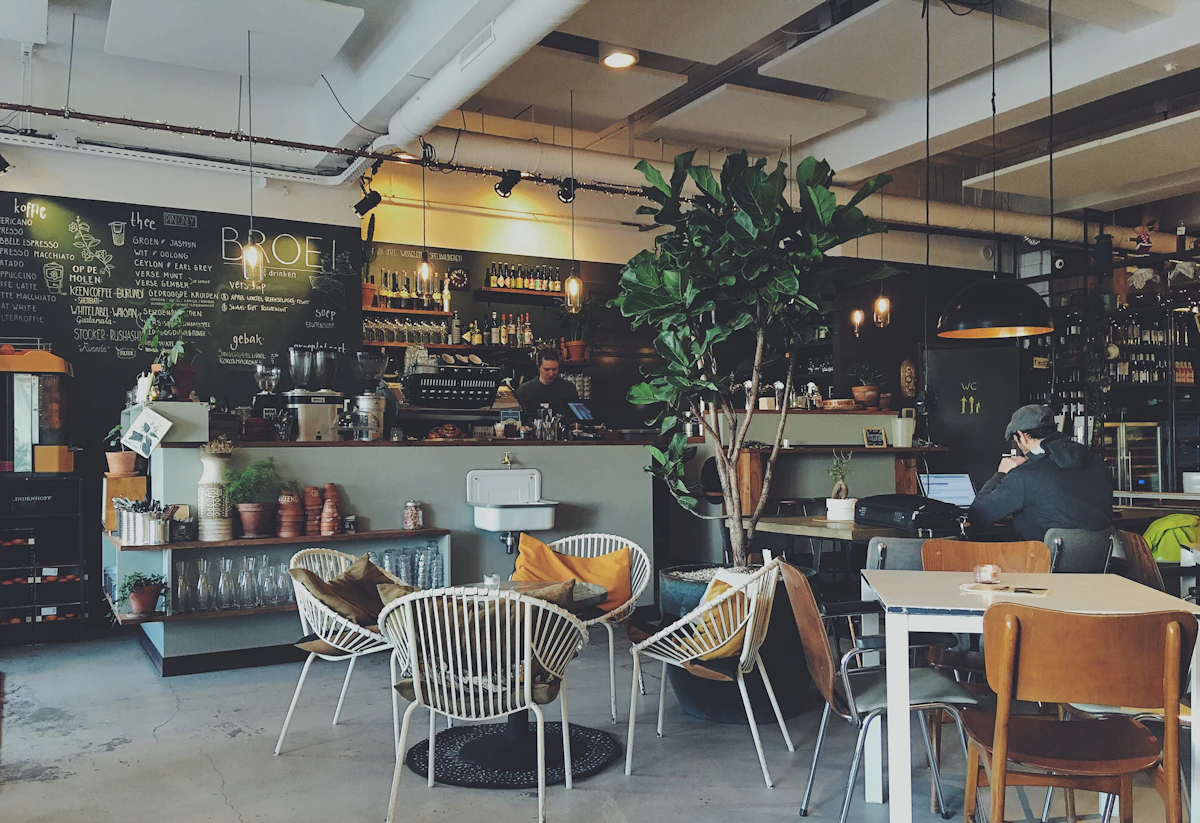
Café / Coffee Shop
Speciality coffee & fresh bakes

Pharmacy Retail Store
Neighbourhood chemist with generic + branded medicines and OTC wellness range

Print-on-Demand Business
POD apparel + merch business

Rooftop Solar EPC Business
Turnkey rooftop-solar installer for residential (5–10 kW) & MSME (25–100 kW) segments
Explore in these cities
Ready to explore your Smart Vending Machine Network business?
Check whether this business suits you or calculate the numbers for your city.
Related reading
12 Profitable Business Ideas After Retirement in India (2026)
From consulting to tiffin services, here are 12 realistic post-retirement business ideas in India with capital, margin and payback estimates for 2026.
Best Business Ideas Under ₹20 Lakh in India (2026)
A data-backed shortlist of 9 business ideas under ₹20 lakh, with real capital, margin and payback numbers for founders across India's city tiers.
Best Business Ideas Under ₹10 Lakh in India (2026)
15 practical business ideas you can start under ₹10 lakh in India, with real capital, margin and payback data for Tier-1 to Tier-3 cities.
Top 10 Business Ideas Under ₹5 Lakh in India (2026)
The ten most reliable low-capital businesses to start in India this year — vetted for margin, break-even and city fit.