
How to Start a Transport Fleet Business Business in India (2026): Cost, Profit & Step-by-Step Guide
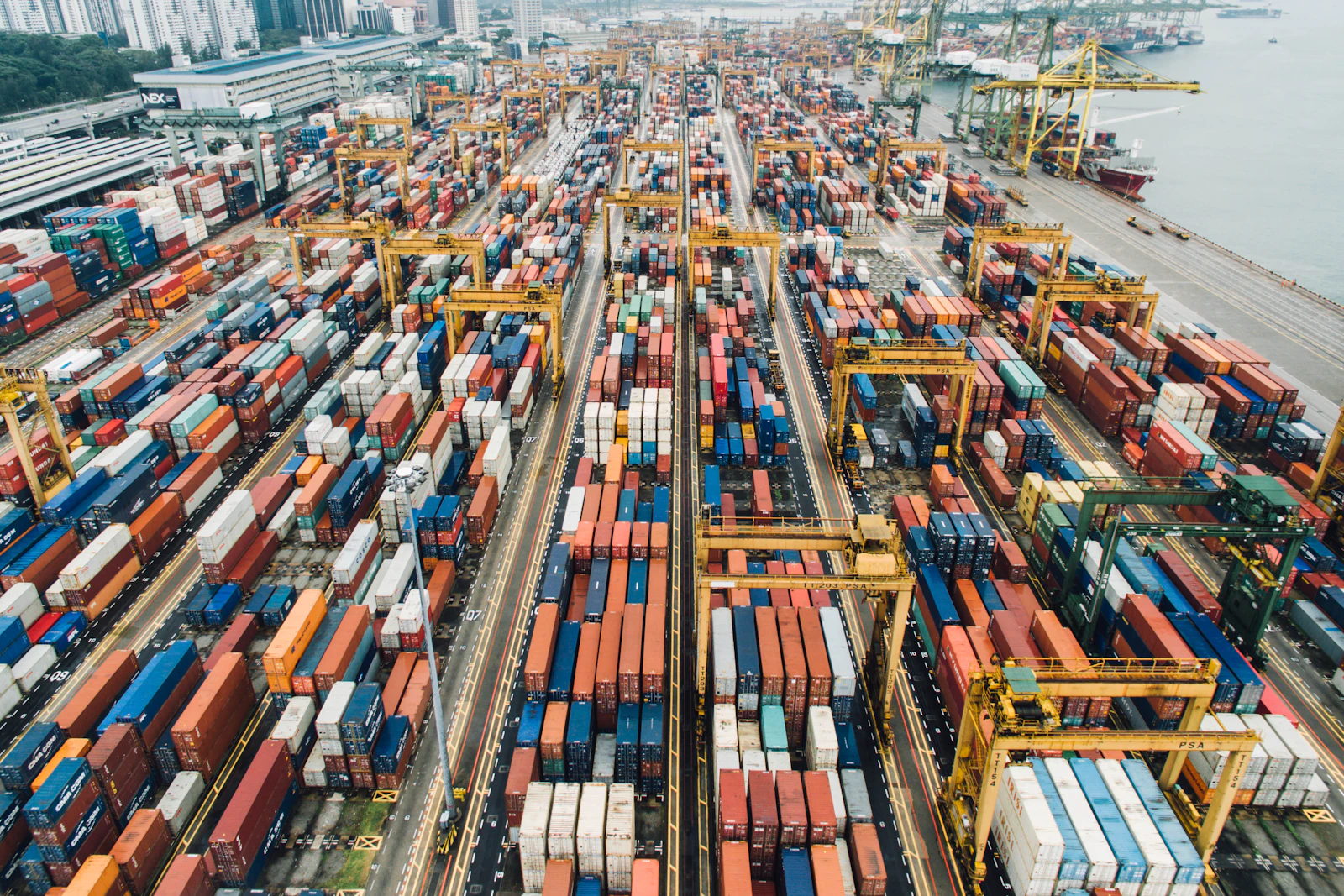
Truck fleet + logistics contracts. Transport Fleet Business — a scalable venture opportunity in the Indian market.
If you are evaluating a transport fleet business business in India, this guide covers the investment you need, where the money goes, how revenue builds up, the team required, the risks to plan for, and a 90-day launch plan — the same framework VentureKhoj uses in its feasibility reports.
Still deciding whether a transport fleet business suits your capital, city and skills? Find My Best-Fit Business in 8 quick questions.
Transport Fleet Business business at a glance
| Metric | Standard estimate |
|---|---|
| Investment range | ₹30 lakh – ₹70 lakh |
| Recommended capital | ₹42 lakh |
| Typical payback | ~30 months |
| Gross margin | 14% |
| Risk level | Medium |
| Time commitment | Full Time |
| Works best in | Tier-2 cities, Tier-3 cities |
How much does it cost to start a transport fleet business business?
Most aspiring entrepreneurs launch a transport fleet business with ₹42 lakh in a Tier-2 city. Metro rents and fit-outs push the figure towards ₹70 lakh, while small towns can start closer to ₹30 lakh. Here is how the recommended budget is typically split:
Fixed costs (do not change much with city)
Typical fixed-cost line items for a transport fleet business: Equipment & Machinery, Licences & Registrations, Technology / Software, Contingency.
Variable · city-linked costs
City-linked line items you will budget for: Security Deposit / Advance Rent, Interiors & Fit-outs, Furniture & Fixtures, Initial Inventory, Initial Marketing, Working Capital (3–6 months).
🔒 The exact amount and budget share for each of these 10 line items is part of the full commercial details for Transport Fleet Business. Unlock it with the ₹99 Explore plan.
Prefer numbers tuned to you? Calculate My Business Numbers to re-base every line item to your own capital and city.
Revenue model: how a transport fleet business makes money
For a ₹42 lakh setup, revenue is built from daily customers, average ticket size, operating days and gross margin — netting out fixed and other monthly costs to arrive at your monthly profit, break-even and ROI.
🔒 The full revenue maths — daily customers, average ticket, monthly revenue, gross & net profit, break-even months and Year-1 ROI is part of the full commercial details for Transport Fleet Business. Unlock it with the ₹199 Compare plan.
What drives revenue up or down:
- Trips × ticket × return-load ratio
- Anchor B2B contract revenue
- Fuel & toll pass-through
- Spot vs contract mix
Typical profit margin range: 8–20% (Fuel-sensitive; return-load ratio decides margin).
Cost structure to watch
- Diesel (35–45%)
- Driver wages (15–25%)
- Vehicle EMI + insurance
- Tolls + permits + maintenance
Working-capital items to budget for:
- Fuel float 15–30 days
- Driver wages 30 days
- Toll / permit float
- Client-receivables 30–60 days
Team and equipment
Staffing you will typically need:
- Fleet manager
- Drivers (1 per vehicle + 30% relief)
- Warehouse supervisor
- Dispatcher
Equipment & setup checklist:
- Fleet (trucks / tempos / bikes)
- GPS + telematics + fuel cards
- Warehouse handling equipment
- Insurance & permits
- Fuel float / cash reserve
Marketing channels that work for a transport fleet business
- Direct B2B outreach
- Freight-aggregator listings
- Return-load partnerships
- Referrals from anchor clients
Risks and how to manage them
- Diesel / fuel price shocks (35–45% of cost) — severity: High
- Driver retention & licence compliance — severity: High
- Accident & third-party liability claims — severity: Medium
- Toll & interstate permit cost fluctuation — severity: Medium
- Vehicle maintenance & unplanned downtime — severity: Medium
Critical success factors
- Return-load ratio ≥ 70% (no empty runs)
- Fuel-card negotiation & driver-mileage incentives
- Anchor B2B contract > 40% of capacity
- Fleet age discipline (avg age < 5 yrs)
KPIs to track every week
- Vehicle utilisation %
- Return-load ratio
- Fuel cost / km
- On-time delivery %
- Accident rate
👉 ₹499 Feasibility plan — unlock 10 ideas and get a custom feasibility report for Transport Fleet Business with your own numbers.
90-day launch plan
- Days 1–30 — Set up: finalise location and lease, register the business, apply for licences, order equipment, and lock supplier terms.
- Days 31–60 — Build: complete interiors and fit-outs, hire and train the core team, set up billing/inventory software, and start pre-launch marketing.
- Days 61–90 — Launch & stabilise: soft launch with a limited menu/catalogue, collect reviews, tune pricing and hours, and track the KPIs above daily.
Frequently asked questions
Is a transport fleet business business profitable in India?
Yes — with disciplined cost control, a standard setup earns a gross margin of about 14% and pays back the investment in roughly 30 months.
What is the minimum investment to start a transport fleet business?
Around ₹30 lakh in a small town; ₹42 lakh is the recommended budget for a Tier-2 city.
Which cities are best for a transport fleet business business?
It works well in Tier-2 cities, Tier-3 cities. Use VentureKhoj's city pages to see the city-adjusted budget for your location.
How do I get a personalised feasibility report?
Answer the 8 questions, open the Transport Fleet Business idea page, freeze your own cost and revenue numbers, and generate the feasibility report on the ₹499 Feasibility plan — it uses your numbers, not averages.
Business ideas matched to this article

Bike Rental (Tourist Cities)
Two-wheeler rental fleet (30–80 bikes) in Goa/Manali/Rishikesh/Hampi tourist belts

Cold Storage Facility (Small)
500-tonne cold room serving potato, apple, and pharma near a mandi belt

Last-Mile Delivery Services
Local last-mile delivery aggregator
Packers & Movers Business
Intra-city & intercity relocation services for corporate transferees and IT professionals
Ready to explore your Transport Fleet business?
Check whether this business suits you or calculate the numbers for your city.
Related reading
How to Start a School Bus Fleet Operations Business in India (2026): Cost, Profit & Step-by-Step Guide
How to start a school bus fleet operations business in India: investment (₹25 lakh–₹59 lakh), cost breakdown, revenue model, team, licences, risks and a 90-day launch plan.
How to Start a Cold Storage Facility (Small) Business in India (2026): Cost, Profit & Step-by-Step Guide
How to start a cold storage facility (small) business in India: investment (₹35 lakh–₹80 lakh), cost breakdown, revenue model, team, licences, risks and a 90-day launch plan.
How to Start a Warehouse Business Business in India (2026): Cost, Profit & Step-by-Step Guide
How to start a warehouse business business in India: investment (₹30 lakh–₹70 lakh), cost breakdown, revenue model, team, licences, risks and a 90-day launch plan.
How to Start a Bike Rental (Tourist Cities) Business in India (2026): Cost, Profit & Step-by-Step Guide
How to start a bike rental (tourist cities) business in India: investment (₹12 lakh–₹26 lakh), cost breakdown, revenue model, team, licences, risks and a 90-day launch plan.
How to Start a Packers & Movers Business Business in India (2026): Cost, Profit & Step-by-Step Guide
How to start a packers & movers business business in India: investment (₹8 lakh–₹18 lakh), cost breakdown, revenue model, team, licences, risks and a 90-day launch plan.
How to Start a Last-Mile Delivery Services Business in India (2026): Cost, Profit & Step-by-Step Guide
How to start a last-mile delivery services business in India: investment (₹8 lakh–₹18 lakh), cost breakdown, revenue model, team, licences, risks and a 90-day launch plan.