
Bakery Franchise Business in India: Cost, Margins & Location Guide

India's organised bakery market is growing at roughly 12-14% CAGR, driven by urban snacking habits, birthday-cake culture shifting from home-baked to ordered, and the explosion of quick-commerce delivery. Franchise brands like 7th Heaven are riding this wave hard — but the sector is deceptively capital-intensive once you account for equipment, chiller infrastructure, and royalty structures that most first-time buyers underestimate.
The mistake most aspiring bakery entrepreneurs make is picking a format based on brand recognition alone, not on capital fit or catchment economics. A ₹15 lakh cloud-kitchen model and a ₹45 lakh dine-in patisserie serve the same category but behave like completely different businesses in terms of rent exposure, staffing, and breakeven timelines. Here's a format-by-format breakdown to help you pick the right entry point.
1. Cloud-Kitchen Bakery Franchise
A delivery-only unit producing cakes, pastries and cookies for aggregator apps and direct WhatsApp orders, typically run out of 300-500 sq ft of low-rent space.
- Capital: ₹10-15 lakh
- Margin: 18-22%
- Payback: 14-18 months
- Best in: Tier-1 residential micro-markets (Bengaluru's HSR/Whitefield, Pune's Kothrud, Hyderabad's Kukatpally)
Why it works at low capital
No dine-in fit-out, no signage premium rent, and franchisors usually bundle a compact deck oven, blast chiller and packaging kit within the ₹10-15 lakh band. The catch is a 25-30% dependency on aggregator commissions, which erodes the headline margin if you don't build a repeat-order base within 6 months.
2. Express Kiosk / Mall Counter
A 80-150 sq ft counter inside a mall, metro station, or office-park food court selling grab-and-go pastries, puffs, and coffee-cake combos.
- Capital: ₹12-18 lakh
- Margin: 20-25%
- Payback: 12-16 months
- Best in: Tier-1 mall food courts and Tier-2 city centres (Jaipur's C-Scheme, Pune's Aundh)
The footfall trade-off
Mall kiosks pay Common Area Maintenance (CAM) charges of ₹80-150 per sq ft monthly on top of base rent, which can eat 8-10% of revenue. But guaranteed footfall means faster inventory turnover — most kiosks hit daily breakeven within 45-60 days of opening, faster than any other format on this list.
3. Standalone Artisanal Bakery-Cafe (250-400 sq ft)
A neighbourhood bakery-cafe like 7th Heaven with a small seating area, sourdough and artisanal bread focus, and a curated cake counter.
- Capital: ₹18-28 lakh
- Margin: 25-30%
- Payback: 18-24 months
- Best in: Tier-1 residential high streets (Mumbai's Bandra/Andheri lanes, Delhi NCR's Gurugram sectors, Pune's Baner)
Location math that matters
High street rent in these micro-markets runs ₹120-220 per sq ft, meaning a 350 sq ft unit costs ₹42,000-77,000 in monthly rent alone. The premium is justified only if your average order value crosses ₹350-400, which artisanal bread and specialty cakes support far better than standard sponge cakes.
4. Branded Cake & Pastry Retail Franchise
A recognised chain outlet (500-700 sq ft) selling standardised cakes, pastries, and celebration products with strong brand recall.
- Capital: ₹20-30 lakh
- Margin: 22-28%
- Payback: 16-20 months
- Best in: Tier-1 and Tier-2 shopping streets with high wedding/birthday order density (Jaipur's Malviya Nagar, Hyderabad's Banjara Hills)
Royalty and franchise fee reality
Most established bakery brands charge a one-time franchise fee of ₹3-6 lakh plus 4-7% ongoing royalty on revenue. Factor this into your margin calculation upfront — a franchisor's claimed "30% margin" pitch deck often excludes royalty, which brings real operator margin closer to 22-25%.
5. QSR Bakery Chain Franchise (600-900 sq ft)
A higher-volume format combining bread, snacks, cookies, and coffee — positioned as an all-day grab-and-eat destination in commercial zones.
- Capital: ₹35-50 lakh
- Margin: 15-20%
- Payback: 20-30 months
- Best in: Tier-1 high-footfall commercial corridors (Delhi NCR's Cyber City, Bengaluru's Marathahalli, Hyderabad's Hitec City)
Volume compensates for thinner margins
This format works on velocity — a well-located QSR bakery in an IT corridor can do 400-600 transactions daily versus 80-120 for a standalone cafe. Lower per-unit margin is offset by 4-5x the daily transaction count, but it demands tighter staff scheduling across an 8-10 person crew.
6. Premium Patisserie with Seating (800-1200 sq ft)
A full-service dine-in patisserie with imported equipment, dessert plating, and a coffee-and-cake experience positioned at premium price points.
- Capital: ₹40-50 lakh
- Margin: 28-35%
- Payback: 24-30 months
- Best in: Tier-1 premium neighbourhoods (South Mumbai, South Delhi's GK/Vasant Vihar, Hyderabad's Jubilee Hills)
Why the longer payback still makes sense
Higher average ticket sizes (₹450-700 per cover) and strong dessert-box gifting revenue during festive quarters (Diwali, Christmas, Valentine's Day) push annual revenue growth of 20-25% in year two — something the lower-capital formats rarely replicate at the same pace.
Location Strategy: The Three Filters That Actually Matter
Residential density vs. office density
Cake and celebration-bakery formats thrive on residential density — a 2-km radius with 8,000+ households outperforms office-heavy locations for weekday-to-weekend revenue balance. QSR and kiosk formats flip this logic, needing daytime office footfall.
Competing bakery saturation
Before signing a lease, count existing bakeries within a 1-km radius. Markets with more than 4-5 established bakeries per square kilometre (common in parts of Mumbai and Bengaluru) compress margins by 3-5 percentage points due to discounting wars.
Rent-to-revenue ratio discipline
Across all six formats, keep rent below 10-12% of projected monthly revenue. A unit projecting ₹18 lakh annual revenue should not carry rent above ₹15,000-18,000 monthly — a rule franchise sales teams rarely volunteer during pitch meetings.
Key takeaway: Bakery franchise profitability in India depends far less on brand name and far more on matching your capital tier to the right catchment — a ₹15 lakh cloud kitchen in a dense residential micro-market can outperform a ₹40 lakh dine-in patisserie in a poorly scouted high street.
If you're still deciding between a cloud-kitchen entry point and a full dine-in format, run your numbers through VentureKhoj's free 8-question feasibility assessment. It generates a personalised feasibility report benchmarked against real Indian city data, and you can go deeper with our Explorer, Founder, or Growth plans depending on how detailed your franchise due diligence needs to be.
---
What’s Next: Choosing the Right Bakery Brand Partner
While picking the right format and catchment area sets your operational foundation, partnering with the right franchisor determines your supply chain stability, menu innovation, and marketing support.
👉 Coming Up in Part 2: We spotlight the Top 3 Bakery Franchises to Partner With in India (2026)—breaking down their royalty structures, initial franchise fees, and target expansion cities.
---
Explore Verified Bakery Opportunities on VentureKhoj
VentureKhoj connects serious investors directly with pre-screened bakery franchisors across India.
Browse verified brand listings, download official partner decks, and calculate your target ROI directly on our category hub:
Frequently asked questions
What is the minimum capital needed to start a bakery franchise in India in 2026?
The lowest realistic entry point is around ₹10-15 lakh for a cloud-kitchen or delivery-only bakery franchise with minimal fit-out. Dine-in formats with seating typically require ₹20 lakh upward once you factor in furniture, HVAC, and display equipment.
Which city is best for a low-capital bakery franchise?
Tier-1 residential micro-markets like Bengaluru's HSR Layout, Pune's Kothrud, or Hyderabad's Kukatpally offer strong household density with comparatively lower rent than premium high streets, making them ideal for ₹10-18 lakh formats.
How long does it take to break even on a bakery franchise?
Payback periods range from 12-18 months for kiosks and cloud kitchens to 24-30 months for premium dine-in patisseries. Faster payback usually correlates with lower fit-out cost and higher transaction volume rather than higher margin percentage.
Do bakery franchisors charge ongoing royalty on top of the franchise fee?
Yes, most established bakery brands charge a one-time franchise fee of ₹3-6 lakh plus an ongoing royalty of 4-7% of revenue. This royalty is often excluded from margin figures shown in franchisor pitch decks, so always ask for a net-of-royalty margin projection.
Is a bakery franchise more profitable than starting an independent bakery?
Franchises offer proven recipes, supply chain support and brand recall that shorten the learning curve, but margins after royalty are often 3-5 percentage points lower than a well-run independent bakery. The trade-off favours franchises for first-time operators and independents for experienced bakers with existing customer networks.
Which bakery franchise format has the highest profit margin?
Premium patisseries with seating typically show the highest margins at 28-35%, driven by higher average ticket sizes and festive gifting revenue, though they require the largest capital outlay of ₹40-50 lakh and the longest payback period.
Franchise opportunities in Food & Beverage, QSR, Artisanal Bakery, Cloud Kitchen, Cake & Pastry Retail
Vetted brands actively expanding. Tap to see investment, cities, and connect directly.
7th Heaven is India's Ultimate Bakery Cafe Chain with Live Kitchen - Live Cakes in 7 Mins.* 350+ Outlets | 125+ Cities 7th Heaven serves products like 3D Cakes, Cupcakes, Macarons, Donuts, Tarts, Brownies, Cheese Cakes, Pizzas, Pasta, Burgers and much more!
Chaat Ka Chaska: Dilliwala Swaad, Made With Dher Saara Pyaar! Chat ka Chaska is more than just a restaurant it’s a taste that brings back memories. Since 2017, we’ve been serving flavours inspired by Delhi’s iconic street lanes and North India’s food-loving heart, capturing the true essence of #DilliwalaSwaad.
Explore the diverse flavors of Indian street food at Urban Desi Chaat. Our menu features a tantalizing array of savory snacks including golgappas, samosas, bhel puri, and pav bhaji, each crafted with authentic recipes and locally sourced ingredients. Complement your meal with our refreshing beverages like lassi and masala chai
Business ideas matched to this article
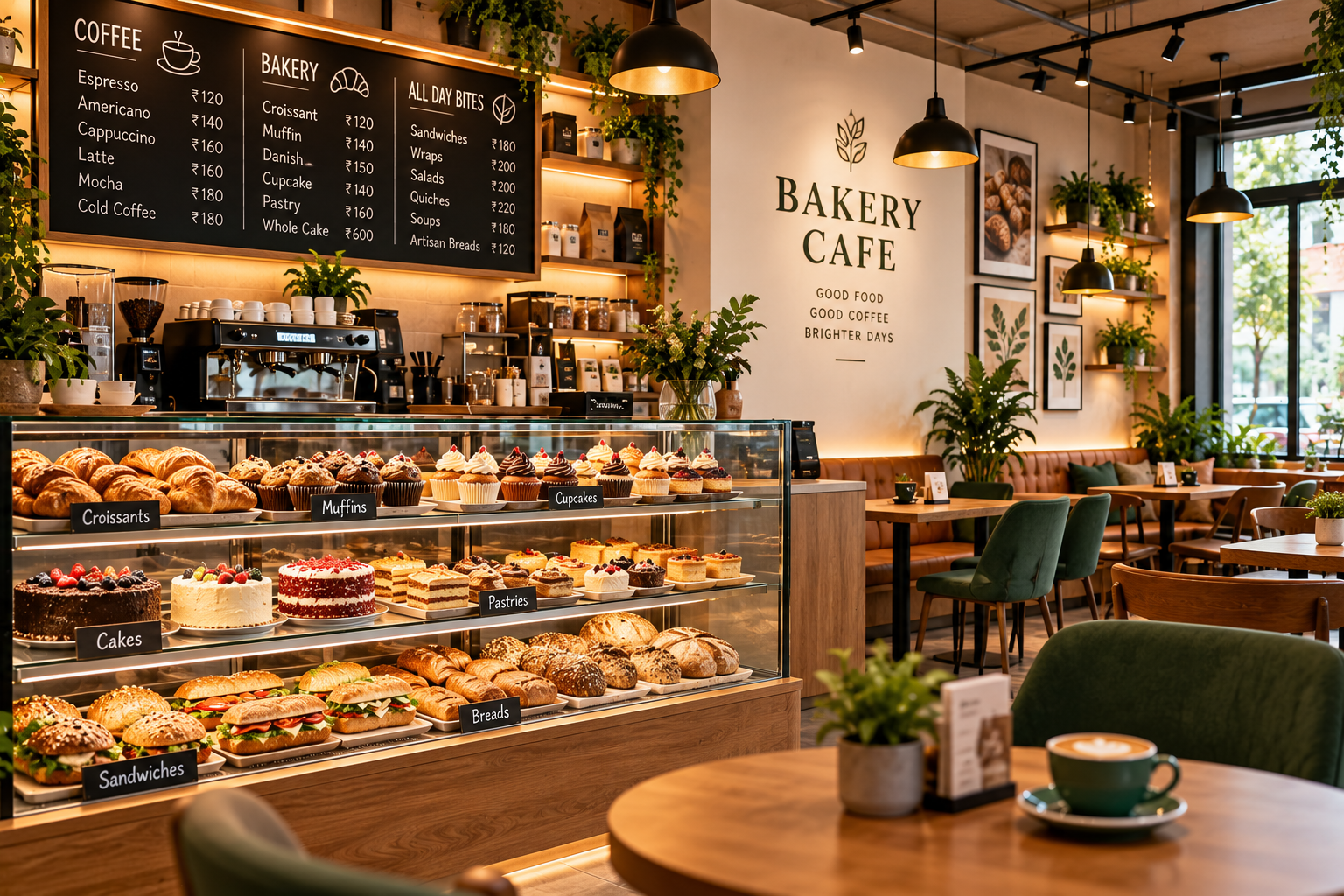
Bakery Cafe
Artisan bakery with retail + online
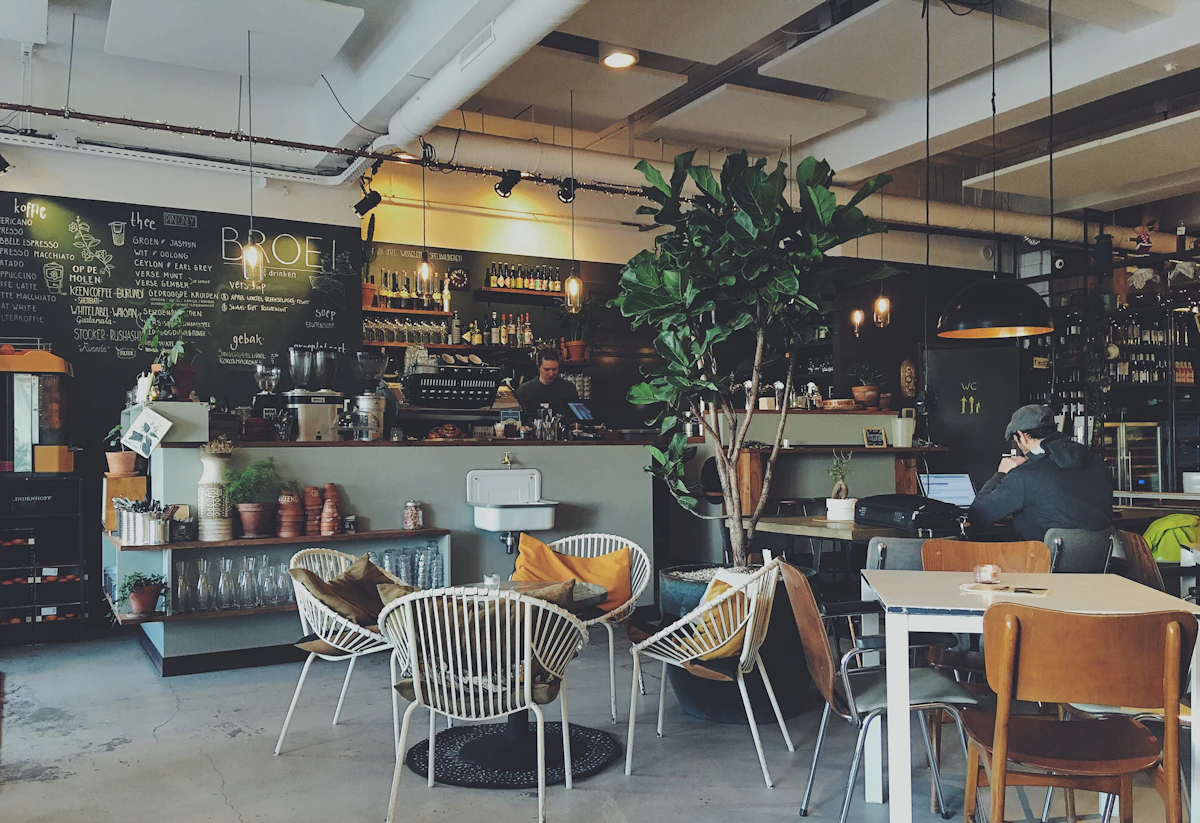
Café / Coffee Shop
Speciality coffee & fresh bakes

Chaat & Street Food Brand
Regional-chaat QSR brand (pani puri, dahi puri, ragda pattice) with 1–3 outlet + cloud-kitchen expansion
Cloud Kitchen
Delivery-first multi-brand kitchen
Explore in these cities
Ready to explore your Bakery Cafe business?
Check whether this business suits you or calculate the numbers for your city.
Related reading
How to Start a Cloud Kitchen Business in India (2026): Cost, Profit & Step-by-Step Guide
How to start a cloud kitchen business in India: investment (₹5 lakh–₹9 lakh), cost breakdown, revenue model, team, licences, risks and a 90-day launch plan.
Dairy Business in India: Costs, Models & Profit Guide 2026
A practical, numbers-first look at starting a dairy business in India in 2026 — from milk booth to processing unit — with real costs, licenses and margins.
Best Franchise Businesses in India: Capital, Margins & ROI
A data-backed ranking of 9 franchise categories in India, with real capital, margin and payback numbers by city tier — so you shortlist before signing any agreement.
Café vs Cloud Kitchen — Which Wins in 2026?
A side-by-side breakdown of investment, margins, break-even and hidden risks for both models.