
Manufacturing vs Trading Business: Which Wins in 2026?

Every founder who has ever stood outside a rented shed in Ludhiana or a godown in Bhiwandi has asked the same question: should I make the product or just move it? Manufacturing feels like 'real' business — machines, output, control. Trading feels lighter — buy low, sell high, repeat. Both can build wealth, but they demand different amounts of patience, capital and stomach for risk.
This comparison isn't theoretical. It's built on how small manufacturers and traders across Indian industrial clusters and market hubs actually spend their first ₹20-40 lakh, and how long it takes each to break even. Use it before you sign a lease, not after.
Manufacturing Business: Capital-Heavy, Margin-Rich
Capex Reality
A small-scale manufacturing unit — say plastic components, packaged snacks, or garment stitching — typically needs:
- Shed/land rent: ₹25,000-₹60,000/month in a Tier-2 industrial estate (Rajkot, Indore, Coimbatore)
- Machinery: ₹8-25 lakh depending on automation level
- Working capital (raw material, wages buffer): ₹5-10 lakh
- Licenses — Udyam registration, GST, factory license, pollution clearance (where applicable): ₹50,000-1.5 lakh
Total starting capex for a modest unit: ₹15-40 lakh. Larger units with CNC machines or food-processing lines can cross ₹75 lakh easily.
Margins & Pricing Power
Because you control the production process, manufacturing usually delivers gross margins of 25-45%, and net margins of 8-18% once fixed costs (rent, salaries, depreciation) are covered. You also get pricing flexibility — private labelling, B2B contracts, or export orders can push margins higher than what a pure trader ever sees on the same product category.
Break-even Timeline
Expect 18-30 months to break even. The delay comes from capacity ramp-up (few units run at full utilisation from month one), working capital cycles (30-60 day receivables from B2B buyers), and the learning curve on wastage and quality control.
Key Risks
- Raw material price volatility can compress margins overnight (steel, plastic resin, edible oil have all swung 15-25% in single quarters in recent years)
- Labour compliance — PF, ESI, minimum wage revisions — adds 12-18% to wage cost that many first-time founders underestimate
- Machine downtime or a single bad batch can wipe out a month's margin
- GST input credit gets blocked if suppliers don't file returns on time, hurting cash flow
Best-fit City Tier
Tier-2/3 industrial clusters win here. Land and labour in places like Ludhiana, Rajkot, Coimbatore, or Indore run 30-50% cheaper than Mumbai or Bengaluru, and most states run MSME capital subsidy schemes (Gujarat, Tamil Nadu, Uttar Pradesh) that can offset 10-25% of machinery cost for units under ₹1 crore investment.
Trading Business: Low-Capital, Cash-Flow-First
Capex Reality
Trading — wholesale distribution, B2B reselling, or import-and-resell — needs far less upfront money:
- Inventory + working capital: ₹3-15 lakh depending on category
- Rented shop/warehouse: ₹15,000-₹40,000/month
- GST registration, trade license, minimal compliance: under ₹20,000
Total starting capex: ₹5-20 lakh — roughly a third of what manufacturing demands for a comparable revenue target.
Margins & Pricing Power
Because you're buying finished goods and reselling, margins are thinner: gross margin of 10-25%, net margin 4-10%. You have almost no control over the product itself, so differentiation comes from service, credit terms, or exclusive dealership rights rather than the product.
Break-even Timeline
Traders break even much faster — typically 6-12 months — since there's no heavy machinery depreciating on your books and you can start invoicing from week one if you already have supplier and buyer relationships.
Key Risks
- Margin compression from competitors undercutting on price is constant, especially in commoditised categories (electronics accessories, hardware, FMCG)
- You're dependent on supplier credit terms; a supplier tightening payment cycles can strangle your cash flow fast
- No product moat — anyone with the same supplier contact can replicate your business in weeks
- Demand swings (seasonal categories, festival-driven goods) can leave you holding dead stock
Best-fit City Tier
Metro and Tier-1 cities — Mumbai, Delhi NCR, Bengaluru, Hyderabad — offer the consumption density that makes high-volume, low-margin trading work. Alternatively, becoming a regional distributor for FMCG or electronics brands in a Tier-2 city (Nagpur, Jaipur, Bhopal) can work well because competition is thinner and territory rights are easier to lock in.
Side-by-Side: The Numbers That Matter
| Factor | Manufacturing | Trading |
|---|---|---|
| Starting capex | ₹15-40 lakh | ₹5-20 lakh |
| Gross margin | 25-45% | 10-25% |
| Net margin | 8-18% | 4-10% |
| Break-even | 18-30 months | 6-12 months |
| Compliance load | High (factory, labour, pollution) | Low (GST, trade license) |
| Scalability | Capital-intensive to scale | Faster to scale with cash flow |
| Best city tier | Tier-2/3 industrial clusters | Metro/Tier-1 or distributor in Tier-2 |
Which Wins? The Verdict
There's no universal winner — the right choice depends on three things: how much capital you can lock up for two years, how much operational complexity you can manage, and whether you want a defensible product moat or fast cash velocity.
Choose manufacturing if:
- You have ₹20 lakh+ that you can afford to not touch for 18-24 months
- You (or a co-founder) understand production, quality control, or have technical/engineering background
- You want higher long-term margins and a product that's harder for competitors to copy
- You're based in or willing to relocate near an industrial cluster with subsidised land and skilled labour
Choose trading if:
- Your available capital is under ₹15 lakh and you need revenue within 6 months
- You already have supplier relationships or buyer network — trading rewards relationships more than R&D
- You prefer lower compliance overhead and want to test market demand before committing to heavier assets
- You're comfortable with thinner margins in exchange for faster cash cycles
A growing middle path in 2026 is value-added trading — light assembly, private labelling, or repackaging of imported/wholesale goods. This needs ₹10-25 lakh capex, delivers margins closer to manufacturing (18-30%), and breaks even in 12-18 months, making it a practical bridge for founders who can't yet commit to full manufacturing.
Key takeaway: Manufacturing builds a moat but demands patience and capital discipline; trading builds cash flow but rarely builds a defensible business on its own. Match the model to your capital runway and risk appetite — not to which one sounds more impressive at a dinner table.
If you're still unsure which side of this line fits your situation, VentureKhoj's free 8-question assessment maps your capital, skills, and risk appetite against real Indian business data to generate a personalised feasibility report. Founders who need deeper category-level cost breakdowns can go further with the Explorer, Founder, or Growth plans.
Frequently asked questions
Which needs less capital to start — manufacturing or trading?
Trading typically needs ₹5-20 lakh to start, while manufacturing needs ₹15-40 lakh for even a modest unit because of machinery, shed rent, and compliance costs. Trading's lower entry barrier is why most first-time founders in India start there before moving into manufacturing.
Which business model has better margins in India?
Manufacturing generally delivers higher net margins (8-18%) compared to trading (4-10%) because you control the value addition and pricing. However, trading businesses often achieve break-even faster, so total return-on-time can be comparable in the first two years.
Can I combine manufacturing and trading in one business?
Yes — value-added trading, where you import or wholesale-buy raw goods and do light assembly, packaging, or private labelling, is a practical hybrid. It needs ₹10-25 lakh capex, delivers margins closer to manufacturing (18-30%), and typically breaks even in 12-18 months.
Is manufacturing more suitable for Tier-2 or Tier-3 cities?
Yes, generally. Land, labour, and utility costs in industrial clusters like Ludhiana, Rajkot, Indore, and Coimbatore run 30-50% cheaper than in metros, and several states offer MSME capital subsidies for units under ₹1 crore investment, making Tier-2/3 cities better suited for manufacturing.
How long does it take to break even in each model?
Trading businesses typically break even in 6-12 months since there's no heavy machinery depreciation and revenue can start from week one. Manufacturing units usually take 18-30 months due to capacity ramp-up, working capital cycles, and quality-control learning curves.
What compliance differences should I expect between the two?
Manufacturing involves higher compliance load — factory licenses, pollution clearances, labour law compliance (PF, ESI) — while trading mainly requires GST registration and a trade license. This makes trading operationally simpler for first-time entrepreneurs.
Business ideas matched to this article
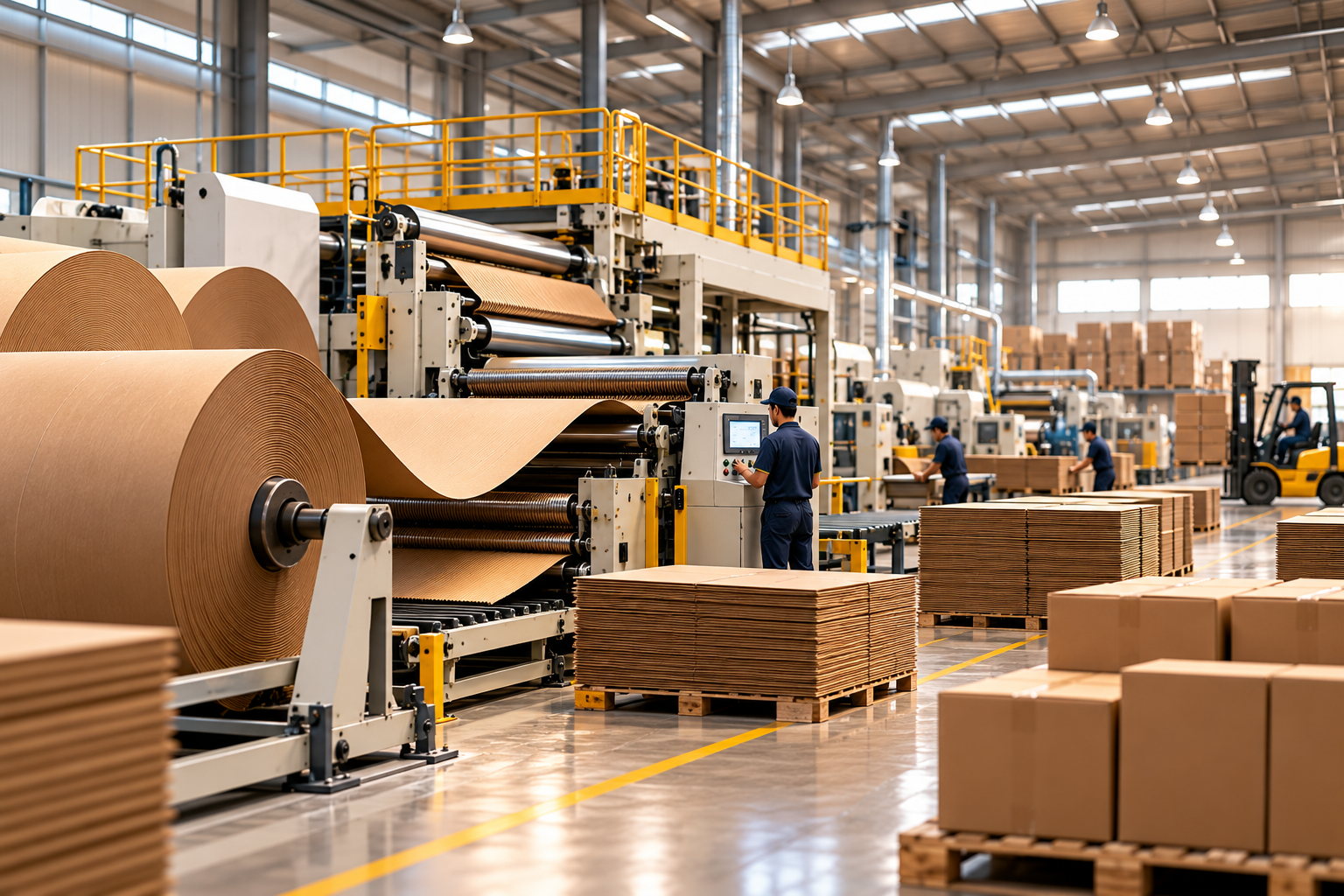
Corrugated Box Manufacturing Unit
B2B packaging plant serving FMCG & e-commerce shippers
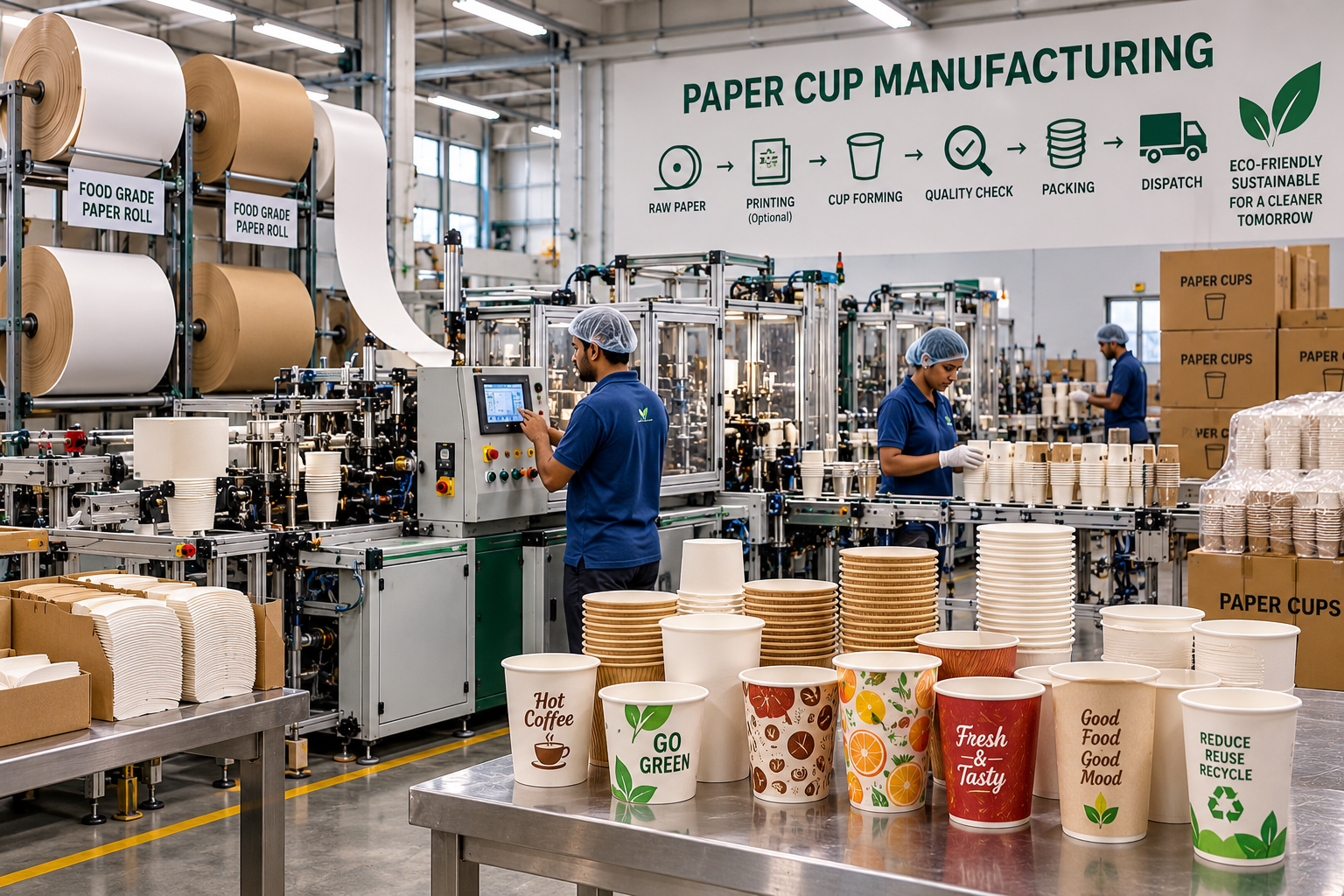
Paper Cup Manufacturing
Automated 65gsm paper-cup plant supplying tea stalls, QSR chains, and airline caterers
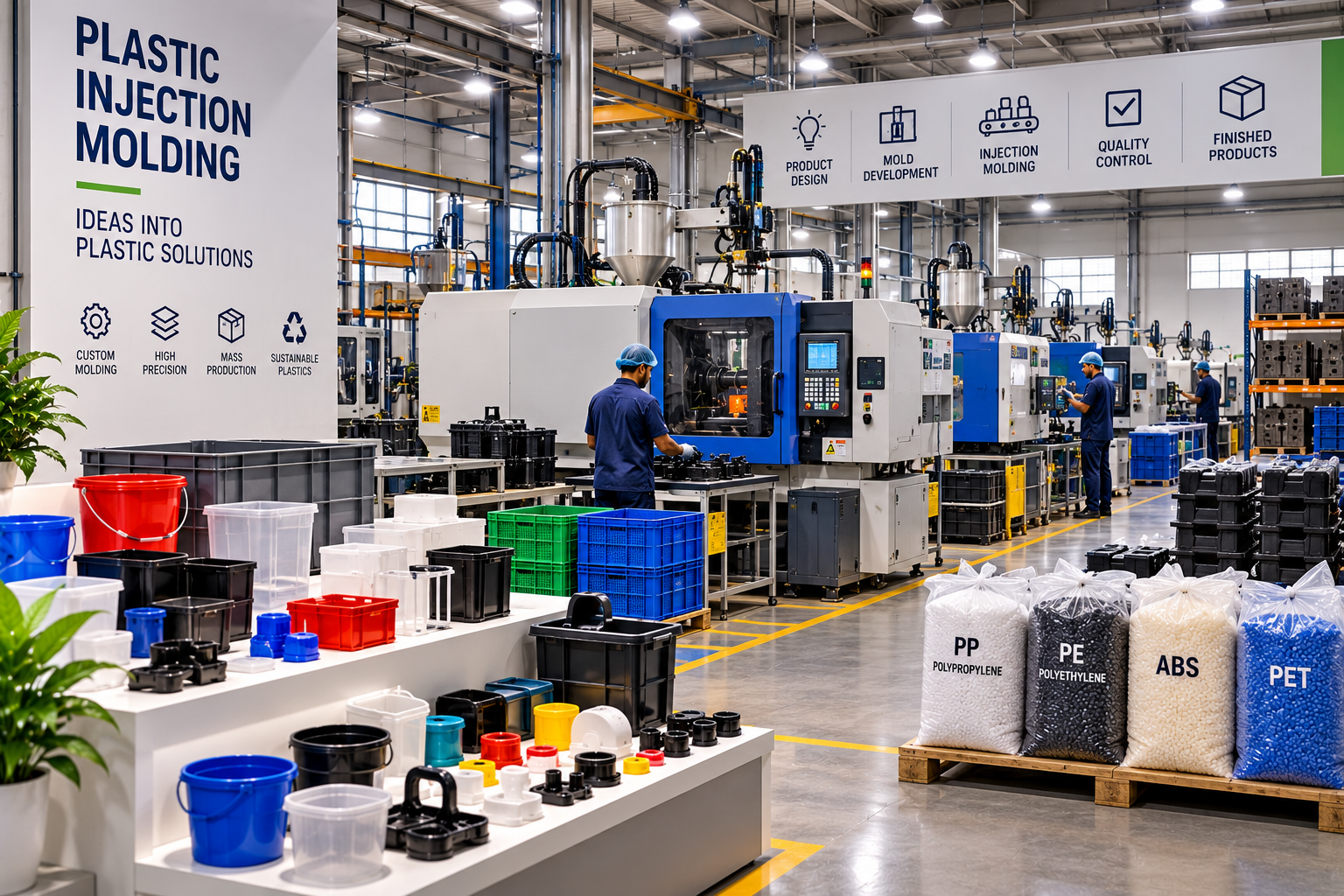
Plastic Injection Molding Unit
Job-work injection molding for automotive, appliance, and packaging brand OEMs
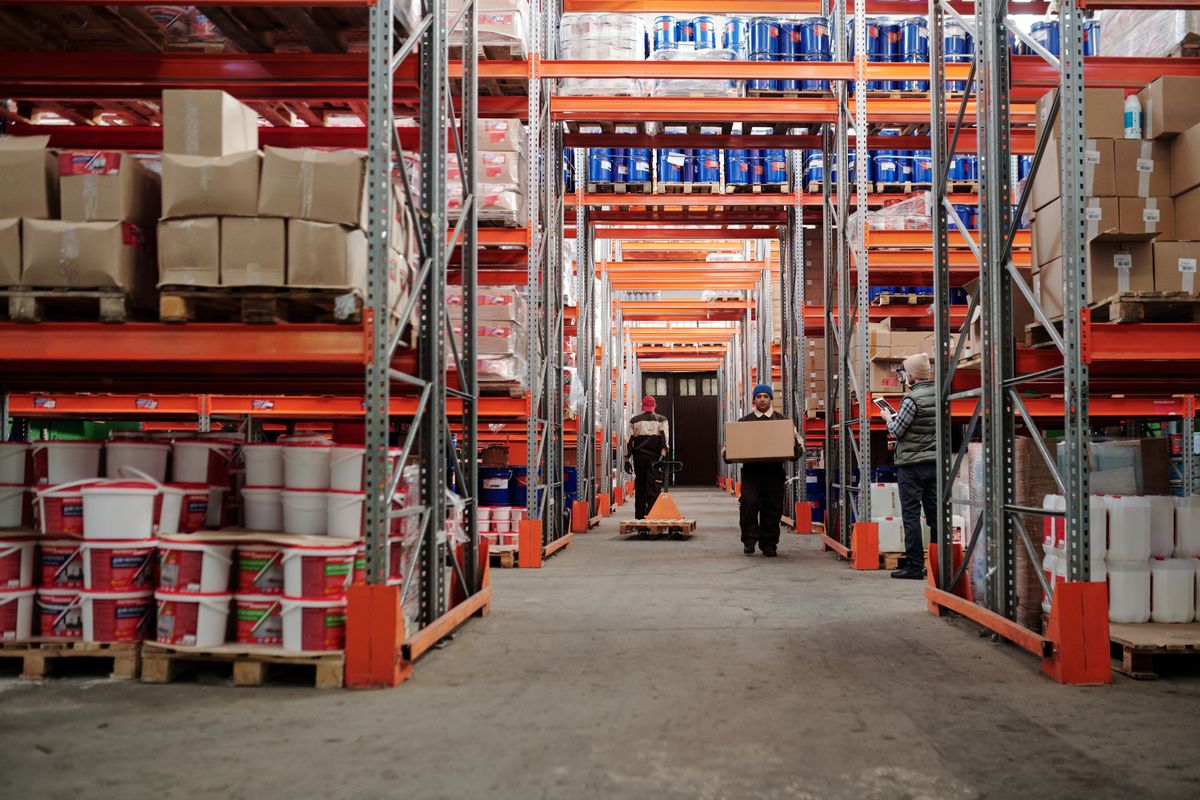
Snack Foods Manufacturing
Namkeen, chips & snacks manufacturing
Explore in these cities
Ready to explore your Warehouse business?
Check whether this business suits you or calculate the numbers for your city.
Related reading
Franchise vs Independent Business: The Real India Comparison
Franchise or independent? See real Indian capex, margin, break-even and risk data for both models — plus a clear verdict based on your capital and city tier.
Best Franchise Businesses in India: Capital, Margins & ROI
A data-backed ranking of 9 franchise categories in India, with real capital, margin and payback numbers by city tier — so you shortlist before signing any agreement.
Café vs Cloud Kitchen — Which Wins in 2026?
A side-by-side breakdown of investment, margins, break-even and hidden risks for both models.