
How to Start a Two-Wheeler Dealership Business in India (2026): Cost, Profit & Step-by-Step Guide
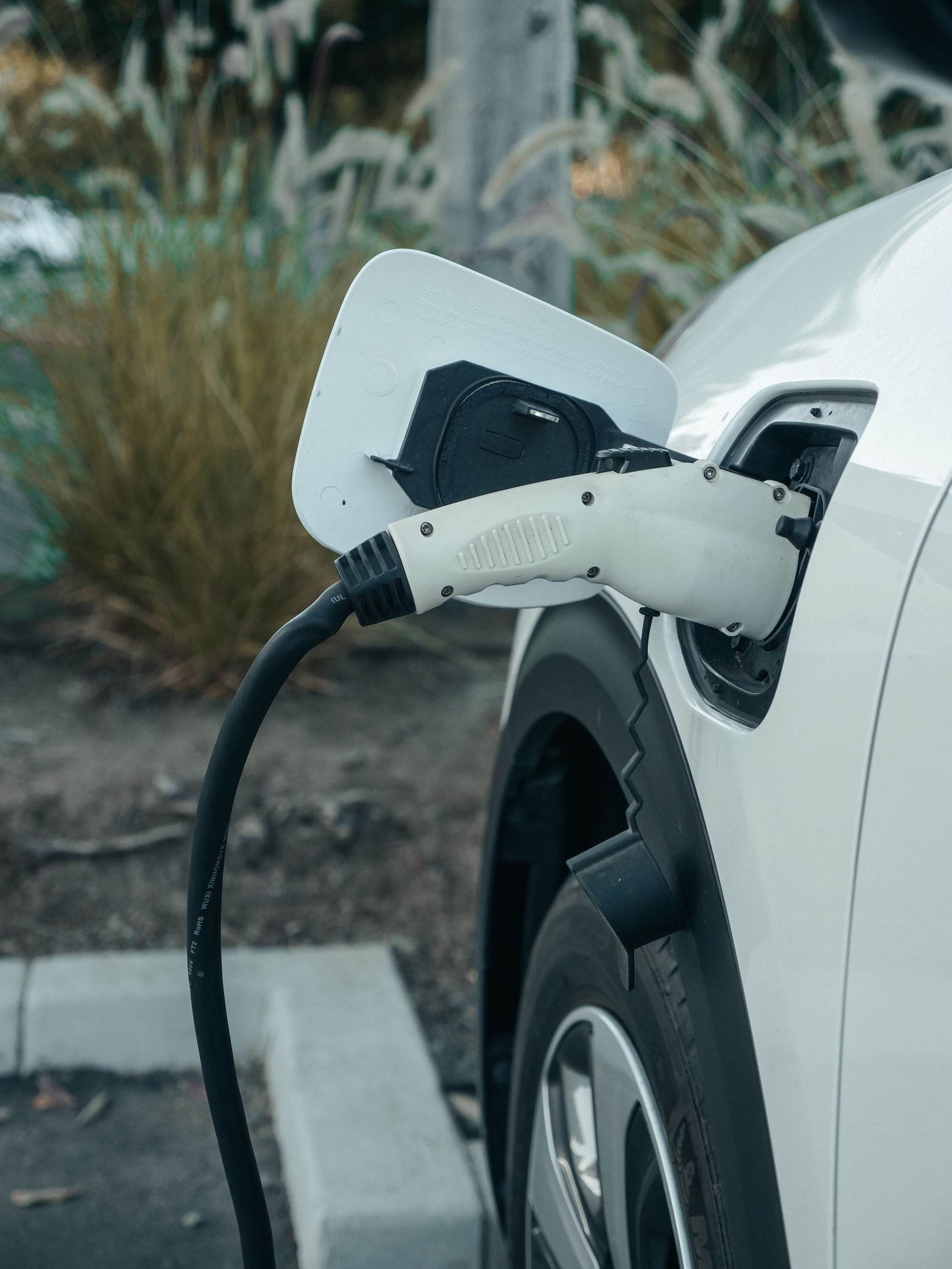
Electric two-wheeler dealership. EV Two-Wheeler Dealership — a scalable venture opportunity in the Indian market.
If you are evaluating a two-wheeler dealership business in India, this guide covers the investment you need, where the money goes, how revenue builds up, the team required, the risks to plan for, and a 90-day launch plan — the same framework VentureKhoj uses in its feasibility reports.
Two-Wheeler Dealership business at a glance
| Metric | Standard estimate |
|---|---|
| Investment range | ₹30 lakh – ₹70 lakh |
| Recommended capital | ₹42 lakh |
| Typical payback | ~26 months |
| Gross margin | 12% |
| Risk level | Medium |
| Time commitment | Full Time |
| Works best in | metros, Tier-2 cities, Tier-3 cities, small towns |
How much does it cost to start a two-wheeler dealership business?
Most founders launch a two-wheeler dealership with ₹42 lakh in a Tier-2 city. Metro rents and fit-outs push the figure towards ₹70 lakh, while small towns can start closer to ₹30 lakh. Here is how the recommended budget is typically split:
Fixed costs (do not change much with city)
Typical fixed-cost line items for a two-wheeler dealership: Equipment & Machinery, Licences & Registrations, Technology / Software, Contingency.
Variable · city-linked costs
City-linked line items you will budget for: Security Deposit / Advance Rent, Interiors & Fit-outs, Furniture & Fixtures, Initial Inventory, Initial Marketing, Working Capital (3–6 months).
🔒 The exact amount and budget share for each of these 10 line items is part of the full commercial details for Two-Wheeler Dealership. Unlock it with the ₹99 Explore plan.
Use the custom budget option on the Two-Wheeler Dealership idea page to re-base every line item to your own capital and city.
Revenue model: how a two-wheeler dealership makes money
For a ₹42 lakh setup, revenue is built from daily customers, average ticket size, operating days and gross margin — netting out fixed and other monthly costs to arrive at your monthly profit, break-even and ROI.
🔒 The full revenue maths — daily customers, average ticket, monthly revenue, gross & net profit, break-even months and Year-1 ROI is part of the full commercial details for Two-Wheeler Dealership. Unlock it with the ₹199 Compare plan.
What drives revenue up or down:
- Footfall × conversion
- Avg basket size × visits/month
- SKU mix profitability
- Repeat-customer share
Typical profit margin range: 5–15% (Volume-driven; 5–8% on kirana, up to 15% on premium retail).
Cost structure to watch
- Cost of goods (55–70%)
- Rent (6–12% of revenue)
- Staff (6–10%)
- Utilities + POS + card MDR
Working-capital items to budget for:
- Inventory float — 30–60 days of stock
- Rent + salary buffer — 2 months
- POS float & change
- Vendor credit terms 15–45 days
Team and equipment
Staffing you will typically need:
- Store manager
- Sales associates (2–4)
- Cashier / billing
- Part-time delivery boy
Equipment & setup checklist:
- Racks, gondolas, POS billing terminal
- Barcode scanner + label printer
- AC + CCTV + signage
- Fit-out & flooring
- Initial inventory
Marketing channels that work for a two-wheeler dealership
- Local Google Business Profile + reviews
- Neighbourhood WhatsApp broadcasts
- Signage + festival offers
- Loyalty card & referrals
Risks and how to manage them
- E-commerce & online price competition — severity: High
- Inventory obsolescence & slow-moving SKUs — severity: High
- Working capital tied up in stock — severity: High
- Foot-traffic seasonality — severity: Medium
- Rent escalation on lease renewal — severity: Medium
- Shoplifting & shrinkage — severity: Low
Critical success factors
- High-footfall location with visibility from main road
- Right SKU mix tuned to local demographic
- Efficient inventory turnover (8–12 turns/yr)
- Loyalty program + repeat customer flywheel
KPIs to track every week
- Footfall / day
- Conversion %
- Avg basket size
- Inventory turnover (turns/yr)
- Gross margin %
👉 ₹499 Feasibility plan — unlock 10 ideas and get a custom feasibility report for Two-Wheeler Dealership with your own numbers.
90-day launch plan
- Days 1–30 — Set up: finalise location and lease, register the business, apply for licences, order equipment, and lock supplier terms.
- Days 31–60 — Build: complete interiors and fit-outs, hire and train the core team, set up billing/inventory software, and start pre-launch marketing.
- Days 61–90 — Launch & stabilise: soft launch with a limited menu/catalogue, collect reviews, tune pricing and hours, and track the KPIs above daily.
Frequently asked questions
Is a two-wheeler dealership business profitable in India?
Yes — with disciplined cost control, a standard setup earns a gross margin of about 12% and pays back the investment in roughly 26 months.
What is the minimum investment to start a two-wheeler dealership?
Around ₹30 lakh in a small town; ₹42 lakh is the recommended budget for a Tier-2 city.
Which cities are best for a two-wheeler dealership business?
It works well in metros, Tier-2 cities, Tier-3 cities, small towns. Use VentureKhoj's city pages to see the city-adjusted budget for your location.
How do I get a personalised feasibility report?
Answer the 8 questions, open the Two-Wheeler Dealership idea page, freeze your own cost and revenue numbers, and generate the feasibility report on the ₹499 Feasibility plan — it uses your numbers, not averages.
Business ideas matched to this article



Ready to explore your Two-Wheeler Dealership business?
Check whether this business suits you or calculate the numbers for your city.
Related reading
How to Start a Car Rental Fleet Business in India (2026): Cost, Profit & Step-by-Step Guide
How to start a car rental fleet business in India: investment (₹35 lakh–₹82 lakh), cost breakdown, revenue model, team, licences, risks and a 90-day launch plan.
How to Start an Auto garage Management Software Reseller/Partner Business in India (2026): Cost, Profit & Step-by-Step Guide
How to start an auto garage management software reseller/partner business in India: investment (₹10,000–₹50,000), cost breakdown, revenue model, team, licences, risks and a 90-day launch plan.
How to Start a Tyre Shop Business in India (2026): Cost, Profit & Step-by-Step Guide
How to start a tyre shop business in India: investment (₹8 lakh–₹18 lakh), cost breakdown, revenue model, team, licences, risks and a 90-day launch plan.
How to Start a Car Wash & Detailing Centre Business in India (2026): Cost, Profit & Step-by-Step Guide
How to start a car wash & detailing centre business in India: investment (₹8 lakh–₹18 lakh), cost breakdown, revenue model, team, licences, risks and a 90-day launch plan.
How to Start an Used Car Dealership Business in India (2026): Cost, Profit & Step-by-Step Guide
How to start an used car dealership business in India: investment (₹30 lakh–₹70 lakh), cost breakdown, revenue model, team, licences, risks and a 90-day launch plan.
How to Start an EV Charging Station Business in India (2026): Cost, Profit & Step-by-Step Guide
How to start an ev charging station business in India: investment (₹15 lakh–₹33 lakh), cost breakdown, revenue model, team, licences, risks and a 90-day launch plan.