
How to Start a Cloud Kitchen Business in India (2026): Cost, Profit & Step-by-Step Guide

Delivery-first multi-brand kitchen. Low-overhead cloud kitchen serving multiple food brands via delivery aggregators.
If you are evaluating a cloud kitchen business in India, this guide covers the investment you need, where the money goes, how revenue builds up, the team required, the risks to plan for, and a 90-day launch plan — the same framework VentureKhoj uses in its feasibility reports.
Still deciding whether a cloud kitchen suits your capital, city and skills? Find My Best-Fit Business in 8 quick questions.
Cloud Kitchen business at a glance
| Metric | Standard estimate |
|---|---|
| Investment range | ₹5 lakh – ₹9 lakh |
| Recommended capital | ₹7 lakh |
| Typical payback | ~18 months |
| Gross margin | 28% |
| Risk level | Medium |
| Time commitment | Full Time |
| Works best in | metros, Tier-2 cities, Tier-3 cities |
How much does it cost to start a cloud kitchen business?
Most aspiring entrepreneurs launch a cloud kitchen with ₹7 lakh in a Tier-2 city. Metro rents and fit-outs push the figure towards ₹9 lakh, while small towns can start closer to ₹5 lakh. Here is how the recommended budget is typically split:
Fixed costs (do not change much with city)
Typical fixed-cost line items for a cloud kitchen: Equipment & Machinery, Licences & Registrations, Technology / Software, Contingency.
Variable · city-linked costs
City-linked line items you will budget for: Security Deposit / Advance Rent, Interiors & Fit-outs, Furniture & Fixtures, Initial Inventory, Initial Marketing, Working Capital (3–6 months).
🔒 The exact amount and budget share for each of these 10 line items is part of the full commercial details for Cloud Kitchen. Unlock it with the ₹99 Explore plan.
Prefer numbers tuned to you? Calculate My Business Numbers to re-base every line item to your own capital and city.
Revenue model: how a cloud kitchen makes money
For a ₹7 lakh setup, revenue is built from daily customers, average ticket size, operating days and gross margin — netting out fixed and other monthly costs to arrive at your monthly profit, break-even and ROI.
🔒 The full revenue maths — daily customers, average ticket, monthly revenue, gross & net profit, break-even months and Year-1 ROI is part of the full commercial details for Cloud Kitchen. Unlock it with the ₹199 Compare plan.
What drives revenue up or down:
- Orders/day × avg order value
- Aggregator rank + organic pincodes
- Direct-order (WhatsApp / own app) share
- Combo & upsell attach rate
Typical profit margin range: 8–22% (Higher gross vs dine-in but eaten by aggregator commissions).
Cost structure to watch
- Food cost (28–35%)
- Aggregator commission (22–30%)
- Packaging (5–8%)
- Rent (small kitchen 4–8%)
Working-capital items to budget for:
- Raw material 5–10 days
- Aggregator payout 7–15 days
- Rent + salary 2 months
- Marketing float for combos / promos
Team and equipment
Staffing you will typically need:
- Head chef
- Kitchen helpers (2–3)
- Packing / dispatch
- Aggregator ops / social handler
Equipment & setup checklist:
- Commercial kitchen setup (compact)
- Refrigeration + deep freezer
- Packing materials (10-day buffer)
- POS / aggregator tablet
- Chimney + fire suppression
Marketing channels that work for a cloud kitchen
- Zomato / Swiggy ads + top-of-fold
- Zone-based Meta ads → WhatsApp order
- Influencer food-review reels
- Combo offers via aggregator
Risks and how to manage them
- 100% dependence on Swiggy/Zomato ratings & algorithm — severity: High
- Aggregator commissions 22–30% of GMV — severity: High
- FSSAI licence & cloud-kitchen zoning norms — severity: Medium
- Kitchen-staff attrition without customer face-time — severity: Medium
- Packaging cost + spillage on delivery — severity: Medium
Critical success factors
- Top-3 rank in ≥ 2 aggregator cuisines/pincodes
- Sub-25% aggregator commission via direct app / WhatsApp
- Rider-friendly location within 3-km delivery radius
- Tight food cost & packaging cost control
KPIs to track every week
- Orders / day (per platform)
- Avg order value
- Aggregator rank
- Food cost %
- Rating & complaint %
👉 ₹499 Feasibility plan — unlock 10 ideas and get a custom feasibility report for Cloud Kitchen with your own numbers.
90-day launch plan
- Days 1–30 — Set up: finalise location and lease, register the business, apply for licences, order equipment, and lock supplier terms.
- Days 31–60 — Build: complete interiors and fit-outs, hire and train the core team, set up billing/inventory software, and start pre-launch marketing.
- Days 61–90 — Launch & stabilise: soft launch with a limited menu/catalogue, collect reviews, tune pricing and hours, and track the KPIs above daily.
Frequently asked questions
Is a cloud kitchen business profitable in India?
Yes — with disciplined cost control, a standard setup earns a gross margin of about 28% and pays back the investment in roughly 18 months.
What is the minimum investment to start a cloud kitchen?
Around ₹5 lakh in a small town; ₹7 lakh is the recommended budget for a Tier-2 city.
Which cities are best for a cloud kitchen business?
It works well in metros, Tier-2 cities, Tier-3 cities. Use VentureKhoj's city pages to see the city-adjusted budget for your location.
How do I get a personalised feasibility report?
Answer the 8 questions, open the Cloud Kitchen idea page, freeze your own cost and revenue numbers, and generate the feasibility report on the ₹499 Feasibility plan — it uses your numbers, not averages.
Franchise opportunities in food-beverage
Vetted brands actively expanding. Tap to see investment, cities, and connect directly.
7th Heaven is India's Ultimate Bakery Cafe Chain with Live Kitchen - Live Cakes in 7 Mins.* 350+ Outlets | 125+ Cities 7th Heaven serves products like 3D Cakes, Cupcakes, Macarons, Donuts, Tarts, Brownies, Cheese Cakes, Pizzas, Pasta, Burgers and much more!
Chaat Ka Chaska: Dilliwala Swaad, Made With Dher Saara Pyaar! Chat ka Chaska is more than just a restaurant it’s a taste that brings back memories. Since 2017, we’ve been serving flavours inspired by Delhi’s iconic street lanes and North India’s food-loving heart, capturing the true essence of #DilliwalaSwaad.
Explore the diverse flavors of Indian street food at Urban Desi Chaat. Our menu features a tantalizing array of savory snacks including golgappas, samosas, bhel puri, and pav bhaji, each crafted with authentic recipes and locally sourced ingredients. Complement your meal with our refreshing beverages like lassi and masala chai
Business ideas matched to this article
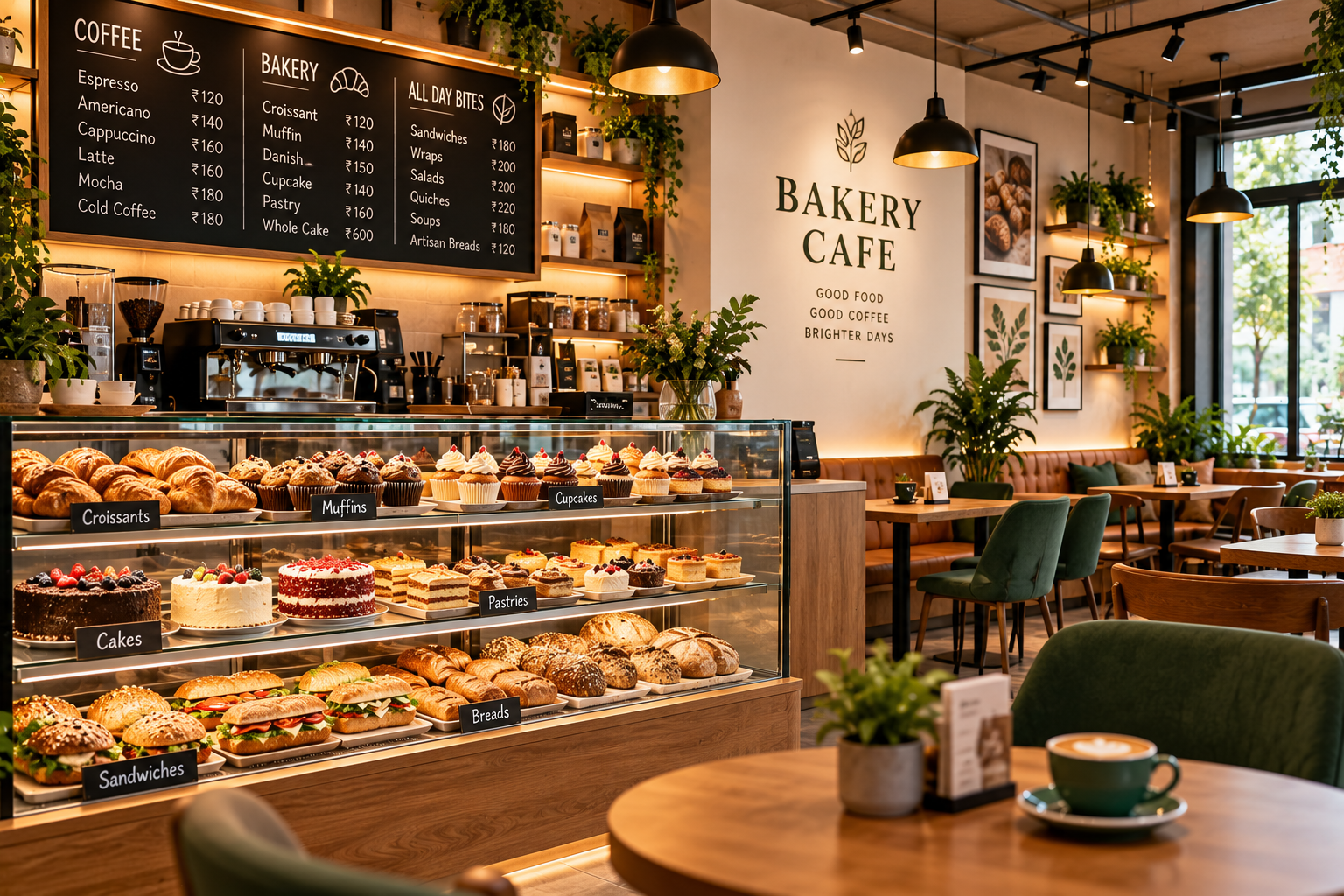
Bakery Cafe
Artisan bakery with retail + online

Burger Cafe
Gourmet burgers, fries & shakes — a fast quick-service favourite
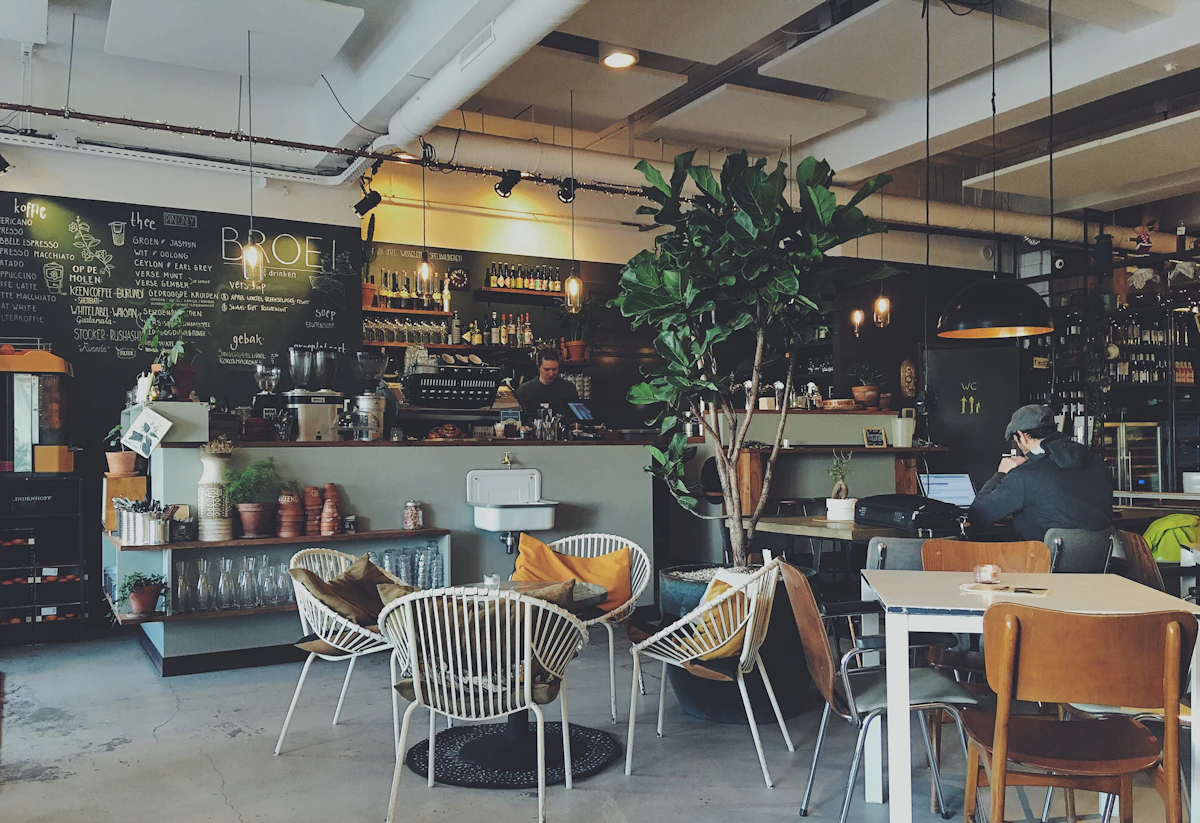
Café / Coffee Shop
Speciality coffee & fresh bakes

Chaat & Street Food Brand
Regional-chaat QSR brand (pani puri, dahi puri, ragda pattice) with 1–3 outlet + cloud-kitchen expansion
Ready to explore your Cloud Kitchen business?
Check whether this business suits you or calculate the numbers for your city.
Related reading
How to Start a South Indian Restaurant Business in India (2026): Cost, Profit & Step-by-Step Guide
How to start a south indian restaurant business in India: investment (₹7 lakh–₹35 lakh), cost breakdown, revenue model, team, licences, risks and a 90-day launch plan.
How to Start a Burger Cafe Business in India (2026): Cost, Profit & Step-by-Step Guide
How to start a burger cafe business in India: investment (₹15 lakh–₹30 lakh), cost breakdown, revenue model, team, licences, risks and a 90-day launch plan.
How to Start a Pizza Outlet Business in India (2026): Cost, Profit & Step-by-Step Guide
How to start a pizza outlet business in India: investment (₹30 lakh–₹50 lakh), cost breakdown, revenue model, team, licences, risks and a 90-day launch plan.
How to Start a Tea Cafe Business in India (2026): Cost, Profit & Step-by-Step Guide
How to start a tea cafe business in India: investment (₹6 lakh–₹15 lakh), cost breakdown, revenue model, team, licences, risks and a 90-day launch plan.
How to Start a Chaat & Street Food Brand Business in India (2026): Cost, Profit & Step-by-Step Guide
How to start a chaat & street food brand business in India: investment (₹12 lakh–₹20 lakh), cost breakdown, revenue model, team, licences, risks and a 90-day launch plan.
How to Start an Ice Cream Parlour Business in India (2026): Cost, Profit & Step-by-Step Guide
How to start an ice cream parlour business in India: investment (₹4 lakh–₹7.5 lakh), cost breakdown, revenue model, team, licences, risks and a 90-day launch plan.